All construction projects are successful when they start with proper planning before construction commences on site. Reducing uncertainty in the execution process is achieved by the project teams reviewing drawings, budgets, schedules and resource needs. Early planning ensures that everyone knows what they are looking for in the project and also helps the contractors to understand the financial and operational issues that may arise during it.
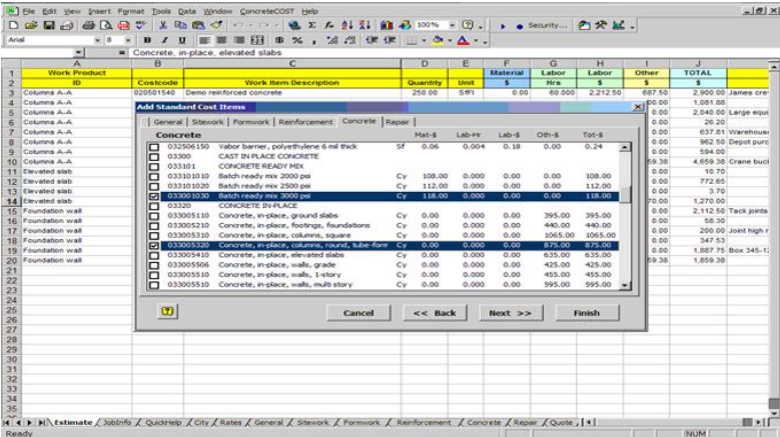
To ensure accurate planning, it is crucial to have organized project information and reliable cost data from early in the project. Estimators do cost estimate calculations to determine the number of quantities, labor requirements and material costs for a project before the project budget is prepared. Building construction cost estimating software categorizes this information in a single place, helping the construction teams to create in-depth estimates and make informed decisions before the construction begins.
Why Is Preconstruction Planning Important?
The preconstruction phase sets the groundwork for all building projects. Before work starts, contractors establish project goals, discuss the technical needs of the project, and assess the resources available to the project. By planning carefully, uncertainty can be reduced, and a structured way for budgeting, scheduling and coordinating the project can be developed.
During this phase, project teams also include any potential risks. Good communication between estimators, engineers, architects and project owners during initial talks makes for better communication and important decisions made prior to entering the field. Predictable project execution through organized planning.
Establishing Project Scope
A project scope is a statement that clearly defines the objectives of what will be built, what the client expects, design requirements, and the conditions on the project site. All stakeholders have access to the same information, getting everyone on the same page during later stages of a project. There’s also consistency when it comes to the process of estimating, thanks to clear documentation.
When estimating, scope reviews are used to determine project boundaries and technical needs. Drawings and specifications are used to assess the construction methods and determine if the estimates accurately show the work to be performed and the information available to the contractor on the project.
Creating an Initial Budget Framework
The first step in budget planning is to determine the amount of materials, man hours, machines, and project duration needed. Planning from the start helps to set realistic expectations prior to the procurement and construction process. A budget also enables project teams to analyze various planning scenarios when organized budgeting is undertaken.
When dealing with historical project data, it is often helpful to consolidate and support initial budgetary decisions. Estimators can gain further insight into the costs of similar projects by comparing them with one another and using this to establish a trend so that final estimates can be prepared.
How Does Estimating Software Organize Project Information?
Construction estimating includes a lot of data about a project from drawings, specifications, supplier quotes, and past projects. Estimator construction cost estimating software brings all this information together in one central place, enabling the estimator to use the same information throughout the construction planning process. Good structure of project data also eliminates duplication of effort and aids in the process of preparing estimates.
Digital systems enable project teams to have access to new information at any time if project needs are changed. Centralized records will minimize the communication breakdown between departments and provide consistency in budgeting, scheduling and estimating.
Managing Quantity Takeoffs
A quantity takeoff is a method of converting the design drawings into measurable construction quantities. Estimators are reviewing the digital plans to determine what materials and dimensions are required as well as project requirements prior to creating cost estimates. The basis of reliable budgeting is in making correct quantity takeoffs.
Digital measurement devices make this easier and ensure that manual calculation errors aren’t made. Estimators make sure that work quantities are accurate and consistent with a project’s drawings before developing detailed cost breakdowns.
Centralizing Cost Information
Cost databases have the ability to store material costs, labor rates, equipment costs, subcontractor costs, and past project data in a single system. Financial data is always up-to-date, and analysts can access it without having to open a number of spreadsheets or documents.
Centralized information also makes it easier to revise estimates when the project requirements change. Teams use the most up-to-date pricing to work through the budgeting process, which keeps the pricing the same during the preconstruction planning phase.
How Does the Software Support Cost Planning?
Financial information needs to be accurate prior to construction for cost planning. Estimators work through material costs, labor estimates, equipment costs, and project specifications to provide accurate estimates. These financial details can be organized by building construction cost estimating software, which will enable teams to compare financial scenarios when estimating different situations without losing out on project information.
Reliable cost planning also means that there is less uncertainty when it comes to bidding and preparing projects. With organized estimates, the contractor can properly allocate resources and create budget estimates that take into account the prevailing market conditions before work begins.
Forecasting Project Costs
Project cost forecasting is the process of taking a quantity takeoff and adding pricing data, labor and equipment calculations to produce a structured cost estimate. There are several cost considerations that estimators must consider in order to determine the most viable financial option for the project.
Forecasting also includes consideration of the project’s length and activities planned for construction. New pricing data will provide the updated estimates to be consistent through the budgeting process and reflect the market.
Evaluating Cost Risks
In planning, the construction industry must deal with fluctuating material and labor costs and market conditions. These factors are assessed by estimators to determine any impact they might have on the entire project budget prior to construction.
Contingency planning for unanticipated costs is also part of risk assessments. By examining financial possibilities, contractors can create realistic budgets that don’t depend on assumptions as they work on projects.
How Does Estimating Software Improve Team Coordination?
Estimators, engineers, architects and project managers need to communicate effectively in order for preconstruction planning to be successful. Having all of the project information shared ensures all departments are working on the same estimates, drawings and cost data during the planning process. This uniformity in communication helps minimize misunderstandings and enhances project coordination.
Building construction cost estimating software offers a central application in which authorized members of the team can access the right data for the project. This well-structured workflow ensures consistency in estimates and enables decisions for the project to be based on the most current information.
Sharing Project Information
Drawings, specifications, quantity takeoffs, budgets and schedules are shared between construction teams on a regular basis. A document sharing feature ensures that all parties have access to the same information regarding a project and minimizes redundant work tasks within departments.
Properly sharing information also increases communication with clients and subcontractors. Good documentation gives visibility in the estimating process and assists in having a good discussion before construction begins.
Maintaining Consistent Data
The different stages of a construction project can change the estimate of the work to be done. Version control allows everyone to have the latest estimate to work on and also tracks revisions. Having this organized documentation is a great help during the budget review and project planning processes.
Standardized project information also makes it easier to make future decisions. Contractors review the revisions to the estimates, consider the financial implications and keep accurate records throughout the preconstruction process.
What Should Contractors Evaluate Before Choosing Estimating Software?
When choosing estimating software, there are issues beyond the features to consider. Before deciding, contractors should take into account technical capabilities, the ability to scale, data reliability, integration options and other practical work flows. These factors affect the project’s efficiency in the long term for the next construction projects.
Experience is also a crucial factor in software selection. When it comes to your search for solutions, don’t only take marketing claims and lists of features into consideration but also consider operational needs, estimating processes, and documented performance.
Reviewing Technical Capabilities
Technical evaluations are based on digital quantity takeoffs, cost databases, reporting tools, integration options and estimating accuracy. Before implementation, it is important for contractors to ensure that the software is compatible with the current workflows and project needs.
Additionally, system reliability plays a role in estimating activities throughout the day. Consistent project planning and predictable budget results are achieved due to stable performance, organized data management, and accurate calculations.
Considering Long-Term Project Needs
Before choosing estimating software, construction companies need to consider future growth in their business. As projects grow in size, more users are added and operational requirements evolve, the long-term suitability of the software can be affected. Avoiding the need for regular system changes by planning ahead.
There is the need to consider training needs and the reliability of vendors as well. Continuous technical support and reliable software updates help ensure smooth estimating operations in the coming construction projects.
What Value Does Estimating Software Add to Preconstruction Planning?
The project team can go into preconstruction with organized data and reliable estimates, making preconstruction planning more structured. Construction cost estimating software helps estimators to handle quantities, pricing and financial projections in one place. This helps to establish consistency in budgeting and project preparation activities.
The process of planning is also well supported when the construction project starts, as it is done accurately. Contractors have the resources to accurately assess cost, consider alternatives and allocate resources based on project information, not assumptions. This means teams are more confident and have a clearer budget for entering the construction phase.
Better Planning Accuracy
When estimating accuracy, it is important to have accurate quantity take-offs, up-to-date pricing information, and organized project information. Digital estimating systems lessen the chances of calculations being inconsistent and allow the estimator to double-check the data before finalizing the budget. Having accurate estimates can help in making better project planning.
Having a cost breakdown that is well organized makes cost reviews and project evaluation easier. Project teams can follow financial trends, review estimate revisions and keep everyone on the team in sync throughout the preconstruction process.
Long-Term Project Management
A construction estimate is not the end of the construction planning process. Budget tracking, cost monitoring and project forecasting are ongoing during execution. Good estimating information can be a great benchmark for future project management operations.
The software for building construction cost estimation also helps to ensure uniformity in operations for various projects. Historical data, estimations of workflows and financial records are kept, and contractors have an organized workflow over time.
Conclusion
It takes accurate information, reliable budgeting, and good communication among project stakeholders to get a job planned out correctly before construction begins. Before construction commences, organizers of data such as estimators, engineers and project managers use the organized data to create realistic budgets. Whether making a quantity takeoff or forecasting costs, all planning activities are involved with making informed decisions. Building construction cost estimating software is an integral component of this process, as it ensures that project data is stored in a central location, enhances project budget accuracy, and enables coordinated project planning that fits project goals and ongoing construction needs.
FAQs
Why is it important for the preconstruction planning to estimate software?
Gathers project data, quantity take-off and cost information prior to construction. Proper planning helps teams to develop realistic budgets and take informed decisions.
Is manual review of estimates still possible?
Yes. Estimating software is helpful when it comes to building cost estimates, but skilled estimators double-check quantities, costs and project assumptions. Professional review ensures accuracy and is consistent with project needs.
Which data does estimating software handle?
It tracks the amount of materials, labor rates, equipment costs, drawings and pricing history. Consistency across the estimating process is achieved by centralized information.
How frequently should an estimate of construction costs be revised?
The cost estimates for the projects should be revised whenever design changes, cost changes or scope changes are made. Regular updates ensure that budgets are updated based on the project’s conditions and market data.