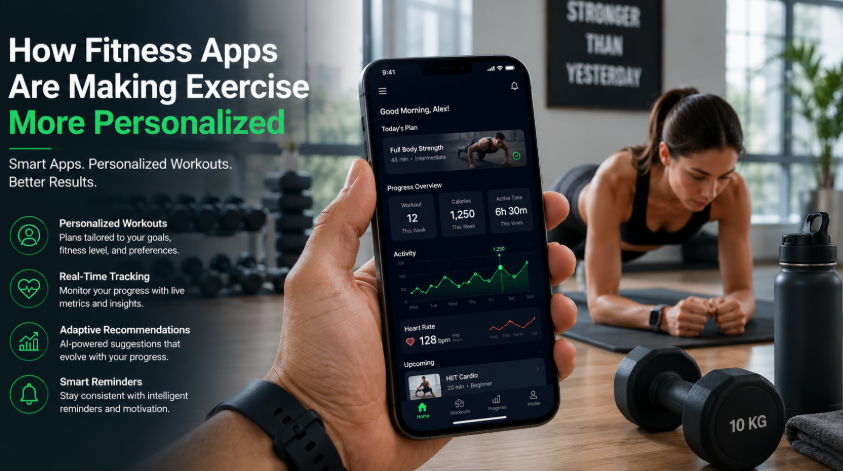
Two people walk into the same gym, follow the same generic workout plan pulled off a poster on the wall, and get completely different results. One’s body responds well to the routine; the other plateaus within weeks, gets frustrated, and quits. This has been the quiet flaw in fitness advice for decades treating everyone like they’re starting from the same place with the same goals and the same limitations. It’s exactly the gap that’s pushed so many gyms, trainers, and wellness brands toward partnering with a skilled Fitness App Development Company to build tools that actually adapt to the person using them.
Personalization isn’t a buzzword in fitness anymore. It’s become the difference between an app someone opens every day and one that gets deleted after two weeks.
Why Generic Fitness Plans Keep Failing People
A one-size-fits-all workout plan ignores almost everything that actually determines whether someone sticks with it or gives up. Fitness level, injury history, available equipment, schedule constraints, sleep quality, stress levels, and even personal motivation style all shape what “the right workout” looks like for any given person. A plan built for a 25-year-old athlete rarely works for a 45-year-old recovering from a knee injury, even if both technically want to “get fit.”
Traditional fitness content books, generic apps, printed gym plans were never built to account for this. It offered the same advice to everyone and left people to figure out on their own why it wasn’t working.
How Fitness Apps Are Closing This Gap
1. Data-Driven Personalization
Modern fitness apps collect far more than just workout logs. Heart rate patterns, sleep quality, recovery scores, step counts, and even stress indicators from wearable devices feed into a much richer picture of how someone’s body is actually responding day to day. Instead of guessing, the app adjusts recommendations based on real physiological data.
2. Adaptive Workout Programming
Rather than locking users into a fixed twelve-week plan, many apps now adjust workouts in real time based on performance. If someone crushes a session with energy to spare, the app increases intensity. If someone’s clearly fatigued or missed several workouts, it scales things back instead of pushing them toward injury or burnout. This responsiveness is something static plans could never offer.
3. AI-Powered Coaching
Artificial intelligence has made it possible for apps to essentially act as a coach that’s always paying attention. It can spot patterns a person might miss themselves consistently skipping leg day, plateauing on a particular lift, or showing signs of overtraining and adjust programming accordingly, without needing a human trainer reviewing every data point manually.
4. Personalized Nutrition Integration
Exercise and nutrition are deeply connected, and the strongest fitness apps now treat them that way. Rather than generic calorie targets, personalized nutrition guidance factors in activity level, goals, dietary preferences, and even how someone’s body responds to different macronutrient splits, adjusting recommendations as those factors change over time.
5. Form Correction Through Computer Vision
Some of the more advanced apps now use a phone’s camera and computer vision technology to analyze exercise form in real time, flagging issues that could lead to injury or reduced effectiveness. This brings a layer of coaching feedback that used to require an in-person trainer standing right next to someone.
6. Recovery and Rest Optimization
Overtraining is one of the most common reasons people get injured or burn out, and it’s often invisible until it’s already happened. Apps that track recovery metrics can recommend rest days, lighter sessions, or specific recovery techniques based on actual physiological signals rather than a generic rest day built into a template.
7. Motivation Built Around the Individual
Some people respond well to competition and leaderboards. Others need quiet encouragement and steady progress tracking. Personalized apps increasingly adjust not just the workouts themselves but how they communicate the tone, the reminders, the type of positive reinforcement based on what actually keeps that specific person engaged.
Why This Matters for Long-Term Results
The fitness industry has always struggled with adherence most people who start a new fitness routine abandon it within a few months. Generic programming is a big part of why. When a plan doesn’t account for someone’s actual life, body, and preferences, it starts to feel like a chore rather than something sustainable.
Personalized apps directly address this by making the experience feel relevant rather than generic. When workouts adjust to someone’s actual progress, when nutrition guidance reflects their real preferences, and when the app communicates in a way that resonates with them personally, people are simply more likely to stick with it. Consistency, more than any specific workout plan, is what actually drives long-term fitness results.
What Goes Into Building a Truly Personalized Fitness App
Building this kind of experience isn’t simple. It requires integrating wearable device data, building adaptive algorithms that respond intelligently to user behavior, designing nutrition logic that accounts for individual variation, and often incorporating AI or machine learning models that improve their recommendations over time as they gather more data on each user.
Businesses exploring this space often want a clear picture of Custom workout and training app development cost before committing, since the investment can vary significantly depending on how much personalization, AI integration, and wearable connectivity the final product actually requires. A simple workout tracker costs far less to build than a fully adaptive coaching platform with computer vision and predictive analytics, and understanding that range early helps businesses plan realistically rather than being surprised later.
The Bigger Shift Behind This Trend
This move toward personalization in fitness apps mirrors a broader shift happening across most consumer technology a move away from generic, mass-produced experiences toward tools that adapt to the individual using them. Fitness happens to be one of the areas where this shift has the clearest, most measurable impact, since the difference between generic and personalized guidance shows up directly in results people can see and feel.
Gyms, trainers, and wellness brands that embrace this shift aren’t just offering a nicer app experience they’re offering something that actually works better for more people, which translates directly into retention, referrals, and long-term business growth.
Final Thoughts
Fitness has never really been one-size-fits-all, even though most tools built around it used to pretend otherwise. Personalized fitness apps are finally closing that gap, using real data instead of generic assumptions to build workouts, nutrition plans, and coaching experiences that actually fit the person using them.
The results speak for themselves. People who feel like their fitness plan understands them are far more likely to stick with it, and that consistency more than any single workout or diet trend is what actually changes outcomes over time.